
trapped money
market vibes

March 31…)
“When I believe in something, I fight like hell for it. I live for myself and I answer to nobody.” Steve McQueen
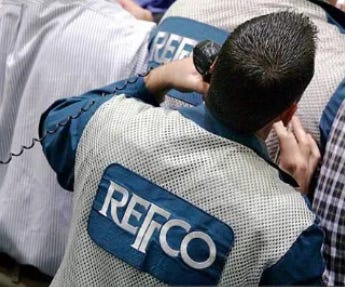
“Who is on the other side of my trade? is an easy question long ago forgotten. A careless impulse might be avoided if you knew. A tradable tell could mean a big move. In the pits there was never a question. We knew JPM did business through Walter Hansen. His phone was big but not that good. GS had their own guys on the Comex and they favored independents like Johnny Gonzales. We never faded them. Refco had teal blue trading jackets that said REFCO in big bold letters. They had everything; massive fund business and buckets of chowder. Small stuff was money, big volumes were dangerous. And their brokers were good. Locals let it be known what they thought. They earned their chops with the volume they traded.
That kind of information wasn’t coded into FIX messages and HFT tags, it was simple and visceral. Don’t be stupid. However, all that changed when US commodity exchanges were rolled into the CME and electronic trading closed the pits. Today, opacity at lightspeed ensures perfect anonymity. Trades occur in millionths of a second, a dimension of time that human senses cannot perceive.
In this latest review of gold as the first quarter comes to an end, I have a few simple points to make: Global demand for gold has been underestimated. There is still a global shortage of gold in London. And the opposing side of your trade is a chaotic tangle of entities operating at lightspeed each taking a fraction of a tick from both buyers and sellers the cost of which, end to end has skyrocketed.
The physical gold market still trades like trapped money.
According to the World Gold Council demand exceeded supply by a modest 1% in 2024. However if you scroll down to the penultimate tally of total demand for 2023 vs 2024 there is a decline in “OTC and other” demand in 2024 from +435 tons in 2023 to -420 tons in 2024, swing of 855 tons. “ETFs and other similar products fell again” for a total decline over the last 2 years of 250 tons. Whatever “other” means in this case is important to keep in mind because demand still outpaced supply and the vagaries of “OTC” activity are the most important unknown factors driving prices higher. Let’s take a deeper look…
